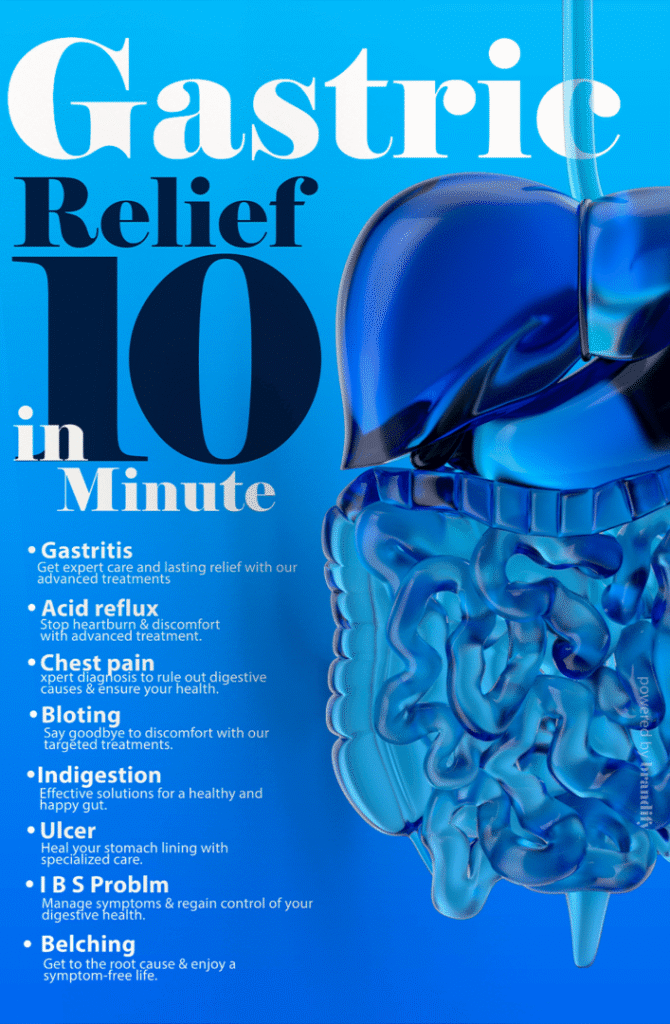
Core & Advanced Procedures
Know the Right Time to Consult
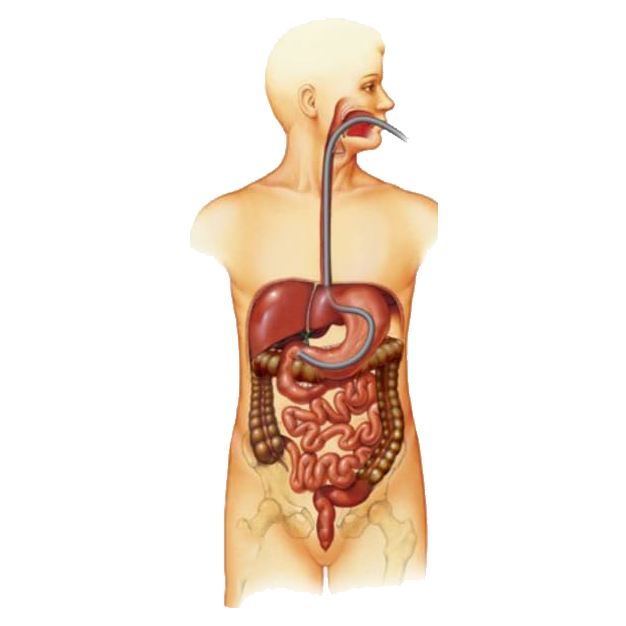
Core Procedures
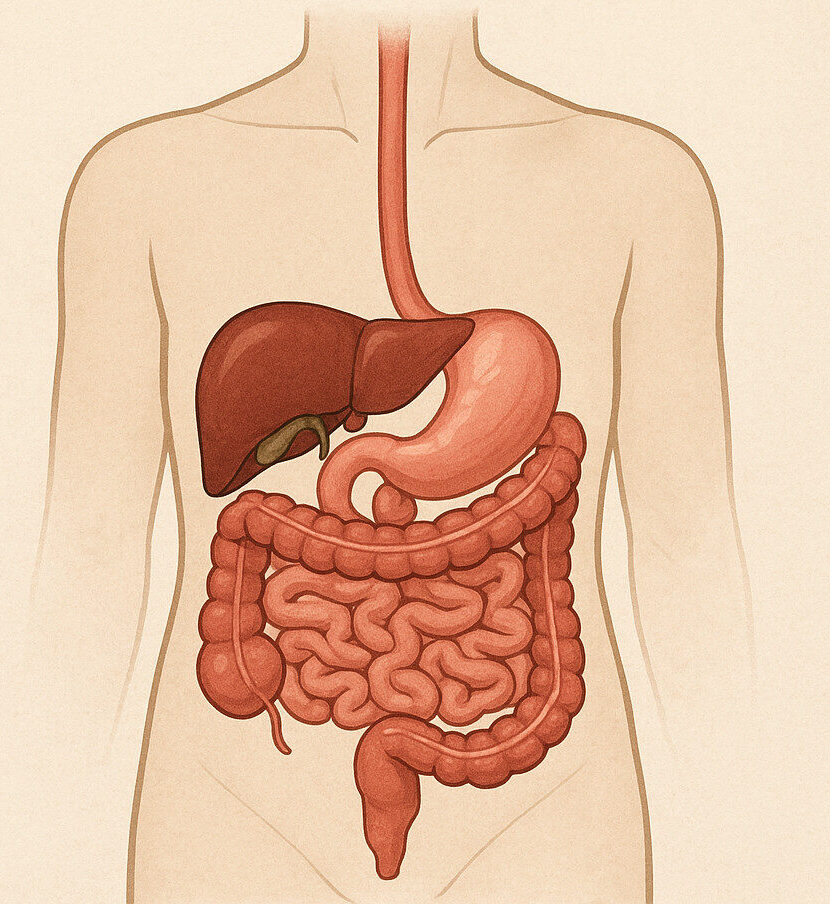
Advanced Procedures
Our Specialization
TREATMENTS WE OFFER
Core Procedures
Endoscopy
|
Colonoscopy
Advanced Procedures
Polypectomy
|
EMR (Endoscopic Mucosal resection)
|
Foreign body removal
|
Endoscopic variceal ligation
|
ERCP (Endoscopic retrograde Cholangiopancreatography)
Endoluminal Stenting
|
Capsule endoscopy
|
EUS (Endoscopic Ultrasound)
|
Third space endoscopy
|
POEM (Per Oral endoscopic myotomy)
ESD (Endoscopic submucosal dissection)
|
Intragastric balloon placement
|
Esophageal Manometry
|
Anal Manometry
Faq's
Most basic procedures are well-tolerated and may involve only mild discomfort. Many are performed without general anesthesia.
Recovery is usually quick—most patients return to normal activities within a day or two.
An advanced endoscopic procedure is typically recommended for gastrointestinal or liver conditions that require deeper evaluation or intervention, such as complex bile duct obstructions, gastrointestinal bleeding, tumors, or chronic pancreatitis.
Yes, they are generally safer with smaller incisions, less blood loss, and shorter hospital stays compared to open surgery.

What is a Colonoscopy?
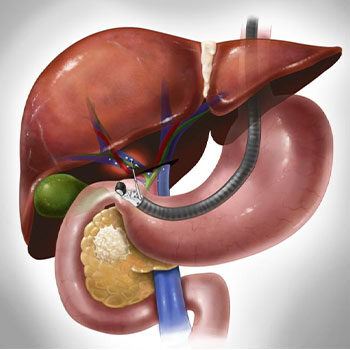
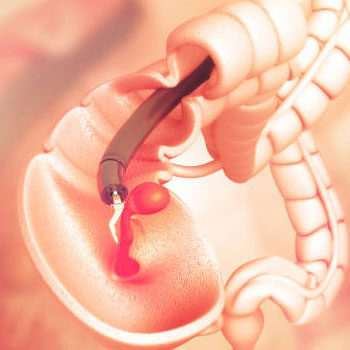
Colonoscopy is a type of endoscopic procedure. In a colonoscopy, a flexible tube with a camera on one end, called a colonoscope is inserted through your anus to look inside your rectum and colon. Along the way, it sends pictures of the inside of your large intestine to a screen.
Everything You Need to Know
Colonoscopy
A colonoscopy is an endoscopic procedure in which a flexible tube with a camera (colonoscope) is inserted through your anus to examine your rectum and colon. It allows doctors to detect and sometimes treat issues in the large intestine.
It helps diagnose causes of symptoms like rectal bleeding, changes in bowel habits, abdominal pain, and unexplained weight loss, and is used to detect conditions like colitis, diverticulitis, bowel obstructions, and colon cancer.
Yes. Colonoscopy is an effective screening tool for detecting colon polyps and early signs of colorectal cancer, even if you have no symptoms.
Yes. During a colonoscopy, doctors can remove polyps, take biopsies, seal wounds, treat tissues, remove blockages, place stents, and even perform laser therapy.
You will be given specific instructions, which usually include taking a laxative solution to clear your bowels and avoiding solid foods before the procedure to ensure the colon is clean for accurate results.
You can choose to stay awake or have conscious sedation. With sedation, you may not remember much and will remain comfortable throughout the procedure.
Most people do not feel pain. You may experience mild gas pressure from the air used to inflate the colon for better viewing. Sedation helps you remain pain-free.
It generally takes about 30 minutes for examination, plus extra time if polyps or abnormalities are found and removed.
You can usually go home the same day. Mild bloating, gas, or nausea may occur but usually resolve within a few hours. You can resume your diet when comfortable.
Though rare, risks include bleeding, colon wall tears, and reactions to sedation. Serious complications are extremely uncommon.
What is an Upper GI Endoscopy?
An upper GI endoscopy (also called an esophagogastroduodenoscopy or EGD) is a medical procedure that uses a flexible tube with a camera (endoscope) to examine the esophagus, stomach, and duodenum (the first part of the small intestine). It helps doctors diagnose and sometimes treat conditions affecting the upper digestive system.
All You Need to Know About
Upper GI Endoscopy
It is performed to investigate symptoms such as abdominal pain, difficulty swallowing, vomiting, unexplained weight loss, or blood in vomit.
It can help detect acid reflux (GERD), ulcers, inflammation (esophagitis, gastritis, duodenitis), celiac disease, Crohn’s disease, tumors, and cancers.
Yes. Doctors can use it to stop bleeding, remove polyps or tumors, widen narrowed areas, and remove swallowed objects.
You’ll need an empty stomach. Usually, you must avoid food for 6–8 hours before the test and follow your doctor’s advice about adjusting medications like blood thinners, diabetes, or blood pressure medicines.
It may feel uncomfortable but shouldn’t be painful. Sedation or anesthesia is often given to make you relaxed.
Most people go home the same day. You may have a sore throat, mild bloating, or nausea for a short time. If sedated, you’ll need someone to drive you home.
The procedure is generally safe. Rare risks include allergic reactions to sedatives, bleeding, infection, or a tear in the digestive tract lining.
What is an ERCP?
ERCP (Endoscopic Retrograde Cholangio-Pancreatography) is a specialized procedure that combines endoscopy and X-rays to diagnose and treat problems in the bile ducts, pancreas, gallbladder, and liver. A flexible endoscope is passed through the mouth, stomach, and duodenum, allowing doctors to access the biliary and pancreatic ducts to remove stones, place stents, or take tissue samples.
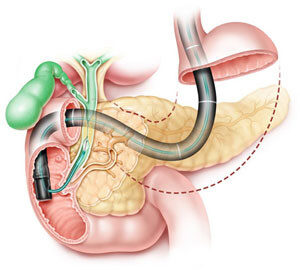
Everything You Need to Know About
ERCP
You may need ERCP if you have jaundice (yellow eyes/skin), unexplained abdominal pain, abnormal liver tests, or imaging (ultrasound/CT) showing a blockage in the bile or pancreatic ducts.
ERCP can:
Remove bile or pancreatic duct stones
Place stents to relieve blockages
Dilate narrowed ducts
Take tissue samples (biopsy)
Help drain bile or food when ducts/intestine are blocked
Do not eat for 6 hours before the procedure
Do not drink for 4 hours before the procedure
Stop or adjust certain medicines (like blood thinners, diabetes meds) as advised by your doctor
Inform your doctor about allergies and medications
You will receive sedation or general anesthesia
A flexible endoscope is passed through your mouth to your duodenum
A contrast dye is injected so ducts can be seen on X-ray
Depending on findings, doctors may remove stones, place stents, or take biopsies
The procedure usually takes 30–90 minutes
You’ll be observed for a few hours, then shifted to your room
An overnight hospital stay is usually required
Mild side effects like sore throat, bloating, or nausea may occur
Most people can go home the next day if there are no complications
Yes, ERCP is generally safe and less invasive than surgery, but like any procedure, it has risks.
Possible complications include:
Allergic reaction to sedatives
Bleeding or infection
Tear (perforation) in the digestive tract lining
Pancreatitis (inflammation of the pancreas) in about 5% of cases
What is endoscopic ultrasound (EUS)?
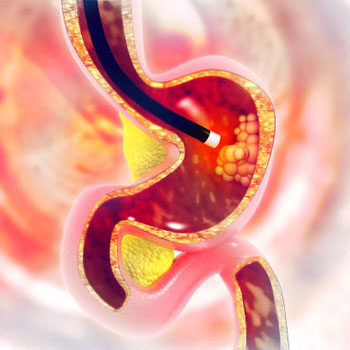
EUS is similar to endoscopy, wherein a flexible tube called an endoscope with a camera on the end is passed through your mouth. The scope goes into oesophagus and stomach before reaching first part of your small intestine (duodenum). In Endoscopic ultrasound (EUS), along with endoscopy, an ultrasound is also performed.
All You Need to Know About
Endoscopic Ultrasound (EUS)
EUS is a procedure that combines endoscopy and ultrasound to obtain detailed images of your digestive tract and surrounding organs. A flexible tube with a camera and ultrasound probe is inserted through your mouth (upper EUS) or anus (lower EUS).
EUS helps diagnose and evaluate abdominal or chest pain, lumps, cancer spread, digestive tract issues, gallbladder problems, lung diseases, pancreatic disorders, and swallowing difficulties.
Upper EUS examines the esophagus, stomach, upper small intestine, pancreas, gallbladder, bile ducts, and nearby lymph nodes.
Lower EUS examines the rectum, anal sphincter, large intestine, and nearby structures.
No. You will receive sedation (anesthesia) to keep you relaxed and comfortable. You won’t feel pain, and most people don’t remember the procedure.
You’ll need to have an empty stomach. Usually, you must avoid solid food for 6–8 hours before the test, drink only clear liquids, and possibly adjust your medications as advised by your doctor.
Both upper and lower EUS procedures typically take about 60 minutes. You can usually go home the same day.
Yes. If needed, your doctor can use fine-needle aspiration (FNA) during EUS to collect tissue or fluid samples for lab analysis.
You may have a sore throat (after upper EUS) or mild bloating/cramping (after lower EUS). These symptoms usually go away within 24 hours. You should rest for the remainder of the day.
Although generally safe, EUS can rarely cause allergic reactions to anesthesia, bleeding, infection, damage to the digestive tract, aspiration, pancreatitis, or perforation of the intestinal wall.
Your doctor may discuss initial findings right after the procedure. If a biopsy is taken, lab results usually take a few days.
In Search Of Best Gastroenterologist & Liver Specialist ?
Dont worry, Dr.Varun Teja is here
We Promise
Best-in-Class Treatment Outcomes
With an experienced clinical team, advanced diagnostic tools, and evidence-based treatment protocols, we deliver exceptional results in managing gastrointestinal and liver conditions.
Safety First
At every stage of your digestive and liver care journey, your safety and well-being remain our top priority.
Ethical Practices
We prioritize ethics—your gastrointestinal care is guided by integrity, trust, and responsible medical practices.
Transparency
Transparency defines our approach to digestive and liver care, with clear and honest communication to help you make informed decisions about your health.
Compassionate Care
Our expert team ensures you feel supported and at ease throughout your digestive and liver care journey.
Affordability
We provide high-quality gastrointestinal and liver care at affordable prices, ensuring accessibility without compromising on excellence.
| Emergency Helpline
Need Emergency Contact
In most cases, the initial consultation will be sufficient. In more complicated cases, a second, follow-up consultation may be necessary. You can contact our center at any time and ask your questions. Our professional support representative will answer your questions with great pleasure.
- Expert Consultation.
- Any Care 24/7.
- Emergency Contact Our Phone Number.
Take the First Step to Help :
+91 9392752526